

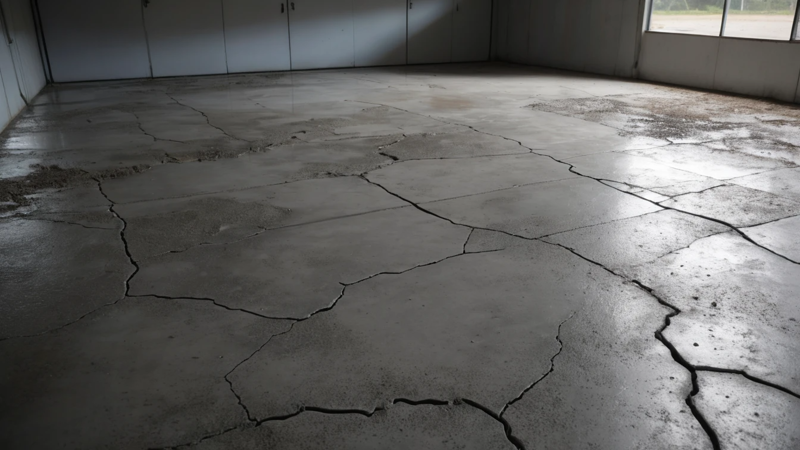
Patching concrete floor made simple. Learn easy steps, tools, and tips to repair cracks and holes for a smooth, durable finish.
Patching concrete floor is the process of repairing cracks, holes, or surface damage using special patching materials. It helps restore strength, improve appearance, and extend the life of your floor. With the right tools and steps, even beginners can achieve a smooth, long-lasting finish.
Patching Concrete Floor: The Ultimate DIY Guide 🛠️
Ever looked at your concrete floor and thought, “Do I really need to fix that crack?” 🤔
Ignoring it might seem easy, but small cracks can turn into big problems fast.
Here’s the truth: patching a concrete floor is simple, affordable, and totally doable yourself. You don’t need fancy tools or expert skills. Just the right steps—and a little patience.
Why Patching Concrete Floor Matters 💡
Concrete floors are tough, but they’re not indestructible. Over time, they crack, chip, or wear down. That’s where patching comes in.
When you fix damage early, you prevent bigger issues later. Water can seep into cracks and weaken the structure. This can lead to costly repairs.
Patching also improves appearance. A smooth floor looks clean and professional. Whether it’s your garage or living space, it makes a difference.
Common Causes Of Concrete Floor Damage ⚠️
Concrete damage doesn’t happen randomly. There are clear reasons behind it.
One major cause is temperature changes. Concrete expands and contracts. This creates stress and leads to cracks.
Other causes include:
- Heavy loads or pressure
- Poor installation
- Moisture and water damage
- Aging and wear
Understanding the cause helps you fix it the right way.
Types Of Concrete Floor Damage 🧱
Not all damage is the same. Knowing what you’re dealing with is key.
Here are common types:
- Hairline cracks – thin and shallow
- Deep cracks – wider and more serious
- Holes and pits – caused by wear or impact
- Surface spalling – flaking or peeling
Each type needs a slightly different repair method.
Tools And Materials You Will Need 🔧
Before you start, gather everything you need. Preparation saves time and effort.
Basic tools:
- Putty knife
- Wire brush
- Trowel
- Bucket
Materials:
- Concrete patching compound
- Bonding agent
- Water
Having the right tools makes the job much easier.
Choosing The Right Patching Compound 🧪
Not all patching products are the same. Picking the right one is important.
Some compounds are best for small cracks. Others work better for deep repairs.
Here’s a quick comparison:
| Type | Best For | Drying Time |
| Vinyl patch | Small cracks | Fast |
| Epoxy filler | Deep cracks | Medium |
| Cement mix | Large holes | Slow |
Choose based on your repair needs.
Preparing The Concrete Surface Properly 🧹
Preparation is the most important step. Skip this, and your patch won’t last.
Start by cleaning the area. Remove dust, dirt, and loose debris. Use a wire brush for stubborn spots.
Next, rinse with water and let it dry. A clean surface helps the patch stick better.
How To Clean Cracks And Holes Effectively 🧼
Cleaning isn’t just about wiping the surface. You need to go deeper.
Use a brush to remove loose concrete. For deeper cracks, use a vacuum or compressed air.
Pro tip: Slightly widen narrow cracks. This helps the patch fill properly.
Step-By-Step Guide To Patching Concrete Floor 🪛
Let’s break it down into simple steps.
- Clean the damaged area
- Apply bonding agent
- Mix the patching compound
- Fill the crack or hole
- Smooth the surface
Take your time with each step. Rushing leads to poor results.
Applying Bonding Agent For Better Results 🧴
A bonding agent helps the patch stick to old concrete.
Apply it evenly using a brush. Make sure it covers the entire area.
This step is often skipped, but it’s crucial. It ensures long-lasting repairs.
Mixing The Patching Compound Correctly 🥣
Mixing matters more than you think.
Follow the instructions on the package. Too much water weakens the mix. Too little makes it hard to apply.
The ideal mix should be smooth and thick. Think of peanut butter consistency.
Filling Cracks And Holes Like A Pro 🎯
Now comes the main part.
Use a trowel to push the compound into the crack. Make sure it fills completely.
For deeper holes, apply in layers. Let each layer dry before adding the next.
Smoothing And Leveling The Surface ✨
Once filled, smooth the surface.
Use a trowel to level it with the surrounding floor. This step improves both look and durability.
A smooth finish also makes cleaning easier later.
Drying And Curing Time Explained ⏳
Patience is key here.
Most patches dry within a few hours. But full curing can take up to 24 hours or more.
Avoid walking on the area until it fully cures.
| Stage | Time Required | Notes |
| Initial drying | 2–4 hours | Light touch only |
| Full cure | 24–48 hours | No heavy use |
Mistakes To Avoid When Patching Concrete ❌
Even simple jobs can go wrong.
Avoid these common mistakes:
- Skipping surface cleaning
- Using too much water
- Not applying bonding agent
- Rushing the drying process
Each mistake can weaken your repair.
Tips For Long-Lasting Concrete Repairs 💪
Want your repair to last years? Follow these tips.
- Always clean thoroughly
- Use high-quality materials
- Apply in layers for deep repairs
- Let it cure properly
A little extra care goes a long way.
When To Call A Professional 👷
Sometimes, DIY isn’t enough.
If you notice large cracks or structural issues, call a professional. They have the tools and expertise.
Also, if damage keeps returning, it may indicate a deeper problem.
Cost Of Patching Concrete Floor 💰
DIY patching is budget-friendly.
Here’s a rough idea:
| Repair Type | Estimated Cost |
| Small cracks | Low |
| Medium cracks | Moderate |
| Large repairs | Higher |
Doing it yourself saves labor costs.
Best Places To Use Concrete Patching 🏠
Concrete patching isn’t just for garages.
You can use it in:
- Driveways
- Basements
- Patios
- Walkways
It works anywhere concrete is damaged.
How To Maintain Your Concrete Floor 🧽
Maintenance keeps your floor in great shape.
Clean regularly to prevent buildup. Seal the surface to protect against moisture.
Inspect for cracks often. Fix them early before they grow.
Benefits Of DIY Concrete Floor Patching 🌟
Why do it yourself?
- Saves money
- Quick and convenient
- Easy to learn
- Immediate results
Plus, it feels satisfying to fix things on your own 😊
Conclusion 🏁
Patching a concrete floor might seem intimidating at first. But once you understand the steps, it becomes simple.
From cleaning the surface to applying the patch, each step plays a role. Do it right, and your repair can last for years.
So next time you spot a crack, don’t ignore it—fix it confidently.
FAQs ❓
How to patch concrete floor cracks easily?
Start by cleaning the crack thoroughly. Apply a bonding agent and fill with patching compound. Smooth it and let it cure completely.
What is best for patching concrete holes?
Cement-based patching compounds work best for large holes. Epoxy fillers are ideal for deep cracks. Choose based on damage size.
How long does concrete patch take to dry?
Most patches dry within 2–4 hours. Full curing usually takes 24–48 hours. Avoid heavy use during this time.
Can I patch concrete floor myself at home?
Yes, it’s a beginner-friendly DIY task. With basic tools and materials, you can fix most cracks and holes easily.
Why does concrete floor crack again after patching?
It may be due to poor preparation or underlying issues. Moisture or structural stress can also cause recurring cracks.