

Porcelain countertops pros and cons explained clearly. Learn costs, durability, maintenance, and design benefits to decide if porcelain is right for your kitchen or bath.
Porcelain countertops pros and cons include extreme durability, heat resistance, and sleek design—balanced by higher upfront costs and limited edge styles. They work well in busy kitchens and modern homes, but installation and slab availability can affect your final decision.
Are Porcelain Countertops Really Better Than Other Surfaces 🤔
Porcelain countertops are becoming a popular choice in modern American homes. Homeowners want surfaces that look great and last for years. Porcelain checks many of those boxes. But is it really better than quartz or granite?
The short answer is this. Porcelain countertops offer impressive strength, heat resistance, and style flexibility. However, they also come with higher costs and installation challenges. Understanding both sides helps you decide wisely.
Porcelain Countertops Pros And Cons 🏡
Porcelain countertops are made from refined clay and minerals. They are fired at extremely high temperatures. This process creates a dense, non-porous surface that resists damage.
At the same time, porcelain is not perfect for every home. The pros shine in busy kitchens. The cons matter more for tight budgets or complex layouts. Let’s break everything down clearly.
What Are Porcelain Countertops Made Of 🧱
Porcelain countertops start with natural clay and mineral pigments. These materials are compressed and fired at very high heat. The result is a hard, ceramic-based slab.
Because of this process, porcelain is tougher than many natural stones. It resists water, stains, and scratches. That makes it attractive for kitchens, bathrooms, and even outdoor spaces.
Why Homeowners Choose Porcelain Countertops ⭐
Many homeowners want a surface that looks high-end but stays practical. Porcelain offers that balance. It can mimic marble, concrete, or wood without the maintenance stress.
It also fits modern design trends. Clean lines, thin profiles, and matte finishes feel fresh and upscale. That visual flexibility is a big reason for its growing popularity.
Major Pros Of Porcelain Countertops 💪
Porcelain countertops come with strong advantages that matter in daily life. They perform well in high-use areas. And they keep their appearance over time.
Some benefits stand out more than others. Here’s a quick snapshot before we go deeper.
Top Advantages Include:
- Heat resistance
- Scratch resistance
- Non-porous surface
- UV stability
- Modern design options
Porcelain Countertops Durability And Strength 🛠️
Porcelain is one of the toughest countertop materials available. It resists scratches from knives and heavy cookware. Daily wear rarely leaves marks.
It also handles heat extremely well. You can place hot pans directly on the surface. That’s a huge relief in busy kitchens where mistakes happen.
Heat, Water, And Stain Resistance Explained 🔥💧
Porcelain countertops do not absorb liquids. That means spills won’t stain the surface. Coffee, wine, and oils wipe away easily.
They are also heatproof. High temperatures won’t cause discoloration or cracking. This makes porcelain safer than many alternatives.
| Feature | Performance |
| Heat Resistance | Excellent |
| Water Absorption | Nearly Zero |
| Stain Resistance | Very High |
| UV Resistance | Excellent |
Low Maintenance Benefits For Busy Homes 🧼
Porcelain countertops are very easy to maintain. No sealing is required. Simple soap and water handle daily cleaning.
There’s no need for special cleaners. That saves time and money long term. Families love this low-stress care routine.
Porcelain Countertops Design And Style Options 🎨
Design flexibility is a huge selling point. Porcelain slabs come in many colors and textures. They can mimic marble veins or natural stone patterns.
You can also choose matte or polished finishes. Thin profiles give kitchens a sleek, modern feel. This versatility fits many home styles.
Porcelain Countertops For Indoor And Outdoor Use 🌞
Porcelain works indoors and outdoors. It resists UV rays and weather changes. Colors won’t fade in sunlight.
This makes it ideal for outdoor kitchens. You get the same beauty without worrying about heat or moisture damage. Few materials offer this level of versatility.
Main Cons Of Porcelain Countertops ⚠️
Despite the benefits, porcelain has drawbacks. These issues matter depending on your budget and layout. Ignoring them can lead to frustration later.
Understanding the downsides helps set realistic expectations. Let’s look at the most common concerns homeowners face.
Porcelain Countertops Cost Breakdown 💰
Porcelain countertops are not cheap. Material and installation costs can be higher than quartz. Custom fabrication adds to the price.
Here’s a general cost comparison to help visualize.
| Material | Average Cost Per Sq Ft |
| Porcelain | $60–$120 |
| Quartz | $50–$100 |
| Granite | $40–$90 |
| Laminate | $20–$40 |
Installation Challenges And Risks 🔧
Porcelain slabs are thin but heavy. Improper handling can cause cracking. That means skilled installers are essential.
Not every contractor works with porcelain. Limited installer availability can increase labor costs. This is a key factor to consider.
Edge Profiles And Customization Limits ✂️
Porcelain does not allow deep edge profiles. Most edges are simple and clean. Ornate designs are difficult.
If you love decorative edges, this could be disappointing. Porcelain favors modern aesthetics over traditional detailing.
Porcelain Countertops Vs Quartz Comparison ⚖️
Porcelain and quartz often compete. Both are durable and stylish. But they perform differently in certain areas.
Here’s a quick comparison to simplify the choice.
| Feature | Porcelain | Quartz |
| Heat Resistance | Excellent | Moderate |
| UV Resistance | Excellent | Poor |
| Maintenance | Very Low | Low |
| Edge Options | Limited | More Options |
Best Rooms For Porcelain Countertops 🏠
Porcelain works best in kitchens, bathrooms, and outdoor areas. High-traffic spaces benefit most from its strength.
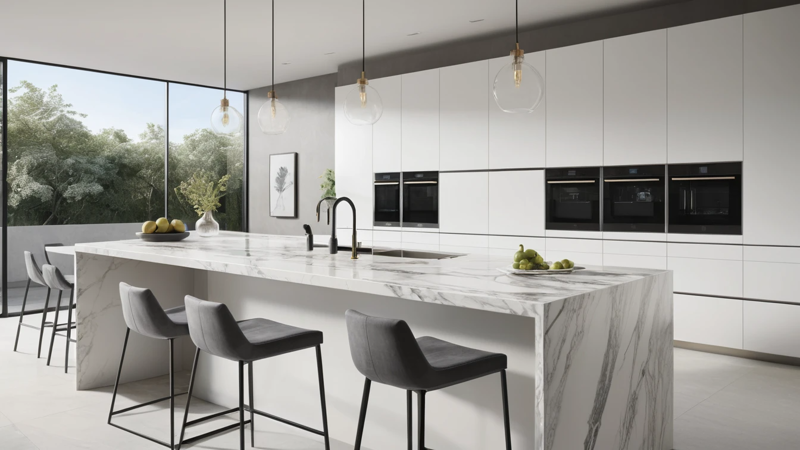
It’s also great for backsplashes and waterfall islands. Thin slabs create seamless visual flow. Designers love this look.
Common Myths About Porcelain Countertops ❌
Some people think porcelain cracks easily. That’s not true when installed properly. The material itself is extremely strong.
Others assume it looks artificial. Modern manufacturing creates realistic stone patterns. Many people can’t tell the difference.
Is Porcelain Right For Your Home 🤷
Porcelain countertops suit homeowners who value durability and style. They work best in modern and high-use spaces. Low maintenance is a major bonus.
However, budget and installer availability matter. If those align, porcelain can be an excellent long-term investment.
Final Thoughts On Porcelain Countertops Pros And Cons ✅
Porcelain countertops offer impressive durability, heat resistance, and modern style. They are easy to maintain and work indoors or outdoors. The main drawbacks are higher costs and limited customization.
For homeowners who want performance and beauty, porcelain is a smart choice. Weigh the pros and cons carefully. The right countertop should fit your lifestyle, not just your design goals.
FAQs ❓
Are porcelain countertops good for busy kitchens
Yes, they handle heat, scratches, and spills well. The surface stays clean with minimal effort. This makes them ideal for active households.
Do porcelain countertops crack easily over time
Porcelain is very strong. Cracks usually happen from poor installation. Professional handling greatly reduces this risk.
Is porcelain cheaper than quartz countertops
Porcelain is often slightly more expensive. Installation costs can raise the total price. Long-term durability can offset the upfront cost.
Can you place hot pans on porcelain countertops
Yes, porcelain resists high heat. Hot cookware will not damage the surface. This is one of its biggest advantages.
Are porcelain countertops hard to maintain daily
No, maintenance is simple. Soap and water are enough. No sealing or special products are needed.